When a reporter from The Real Deal reached out this week to get my reaction to Zillow’s new Preview feature, my honest first response was a chuckle.
"This is exactly Compass’s Coming Soon," I told him. "And they’re trying to brand it like it’s something different."
The piece ran today. But a quote is a quote — there’s more thinking behind it, and I think it’s worth unpacking. Because this debate has been running for two years, it’s generated lawsuits and MLS policy battles, and most of the coverage has missed something fundamental about who this is actually supposed to serve.
The Debate That's Been Brewing
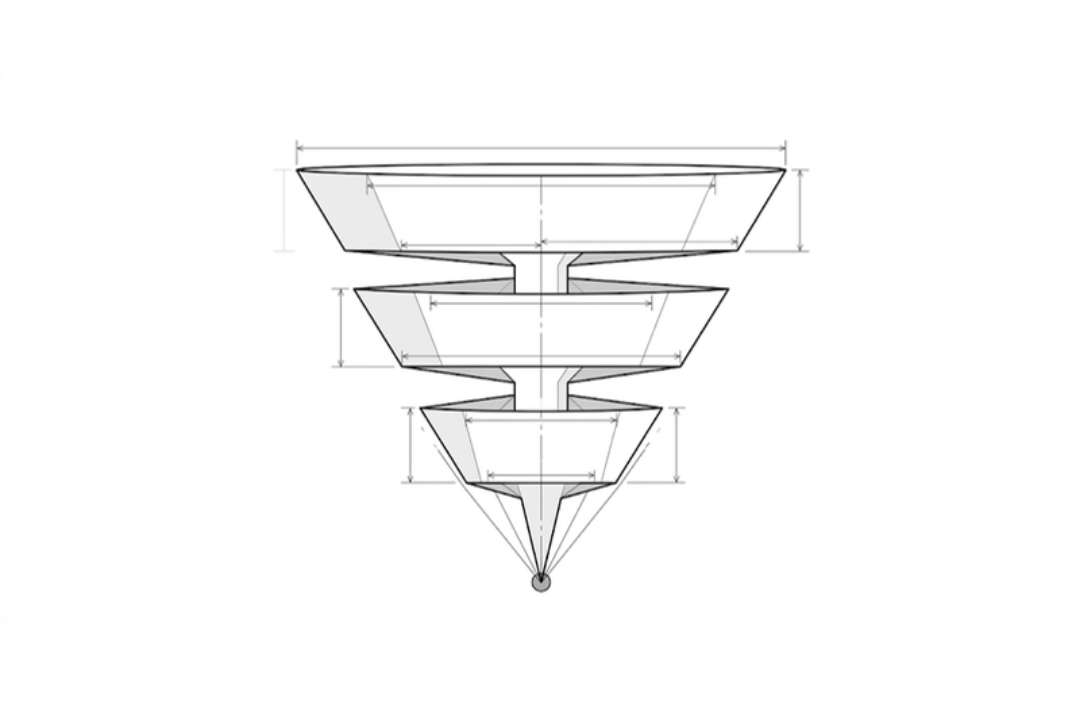
This didn’t start with Zillow Preview. It started when Compass began promoting its three-phase listing strategy — Private Exclusive, Coming Soon, and Active — as a formal framework for how sellers could bring a home to market.
The idea was straightforward: not every seller benefits from going straight to the MLS on day one. Some want to test the market quietly. Some need time to prepare. Some are in sensitive situations. The industry’s default of MLS-on-day-one wasn’t serving all of them.
The backlash was significant. Critics argued that keeping listings off the MLS — even temporarily — reduced exposure for sellers, created information asymmetry that disadvantaged buyers, and fragmented the cooperative system the industry had built over decades. MLS organizations threatened penalties. Zillow updated its listing standards to forbid any listing that wasn’t uploaded to the MLS within 24 hours of being publicly marketed. Compass sued. It got loud.
I’m not unsympathetic to those concerns. The cooperative MLS system exists for a reason, and transparency in real estate markets genuinely matters. But the critics’ argument has had a flaw at its center from the beginning.
The Consumer Framing Problem
Every time someone invokes "consumer protection" in this debate, they mean buyers. That’s worth stopping on.
Buyers are consumers of real estate services. That’s true. But so are sellers. Both parties hire agents. Both parties pay for representation. Both parties have interests that deserve protection. The debate has defaulted to buyer-centric language so consistently that it’s easy to miss how lopsided that framing actually is.
And then there’s Zillow.
Zillow is a media company. That’s not a criticism — it’s a business model description. They generate revenue by monetizing their audience: buyers browsing listings, agents buying leads, advertisers reaching consumers. They have no fiduciary relationship with buyers or sellers. When Zillow frames a Preview feature in the language of consumer benefit, the honest question is: which consumer? Because their business model has a clear answer — and it isn't the person selling their home.
One Compass agent in Houston put it bluntly in the same Real Deal piece: Zillow’s data presentation — views, saves, fire risk, flood risk — actively affects how buyers perceive a listing’s value. "They are affecting home values," she said. That’s worth keeping in mind when evaluating how much control you want Zillow to have over your home’s pre-market story.
That doesn’t make Zillow’s product bad. It means you should understand what it is and who it serves before treating it as a neutral tool.
What the Compass Three-Phase Framework Actually Is
Compass has had pre-market marketing infrastructure since I joined the company. What's changed — driven significantly by our CEO Robert Reffkin, who I had the chance to speak with on my podcast — is the philosophy around it. This is a seller-first strategy, not just a platform feature. Here’s how the phases work in practice:
Private Exclusive is the quietest phase. Your home is marketed within the Compass agent network — no public portal exposure, no Zillow, no Realtor.com. This works for sellers who need discretion: executives, people navigating sensitive life transitions, anyone who isn’t ready for their neighbors to know they’re selling. It also serves as a low-friction test of agent interest before a public launch.
Coming Soon opens the aperture. Your listing becomes visible on Compass.com and to buyers working with Compass agents, but it isn’t yet on the MLS or third-party portals. This is the phase Zillow Preview most closely resembles — and the one that’s existed in the Compass ecosystem for years.
Active is the full MLS launch. Maximum exposure, cooperative with all buyer’s agents, syndicated across portals. For most sellers, this is still where the transaction happens.
The critical point isn’t the phases themselves. It’s who controls the strategy. At Compass, that’s the seller and their agent — guided by fiduciary duty, informed by market data, and responsive to the seller’s specific situation. The agent’s job is to advise which phase to enter at, how long to stay, and when to move. That’s an active, accountable relationship.
What Zillow Preview and eXp Coming Soon Tell Us

When major industry players launch versions of something Compass has been running for years, that’s validation — not innovation. The market is catching up to a thesis that’s been contested for two years.
The timing makes it hard to miss. Zillow launched Preview on Tuesday. The next day, Compass dropped the lawsuit it had been pursuing against Zillow over those same listing access standards. Whatever you make of the politics, the direction of travel is clear.
It’s also worth noting that Compass Coming Soon listings now appear on Redfin — one of the most widely used search portals in the country. The argument that phased marketing hides homes from buyers has always been overstated. It’s becoming harder to make at all.
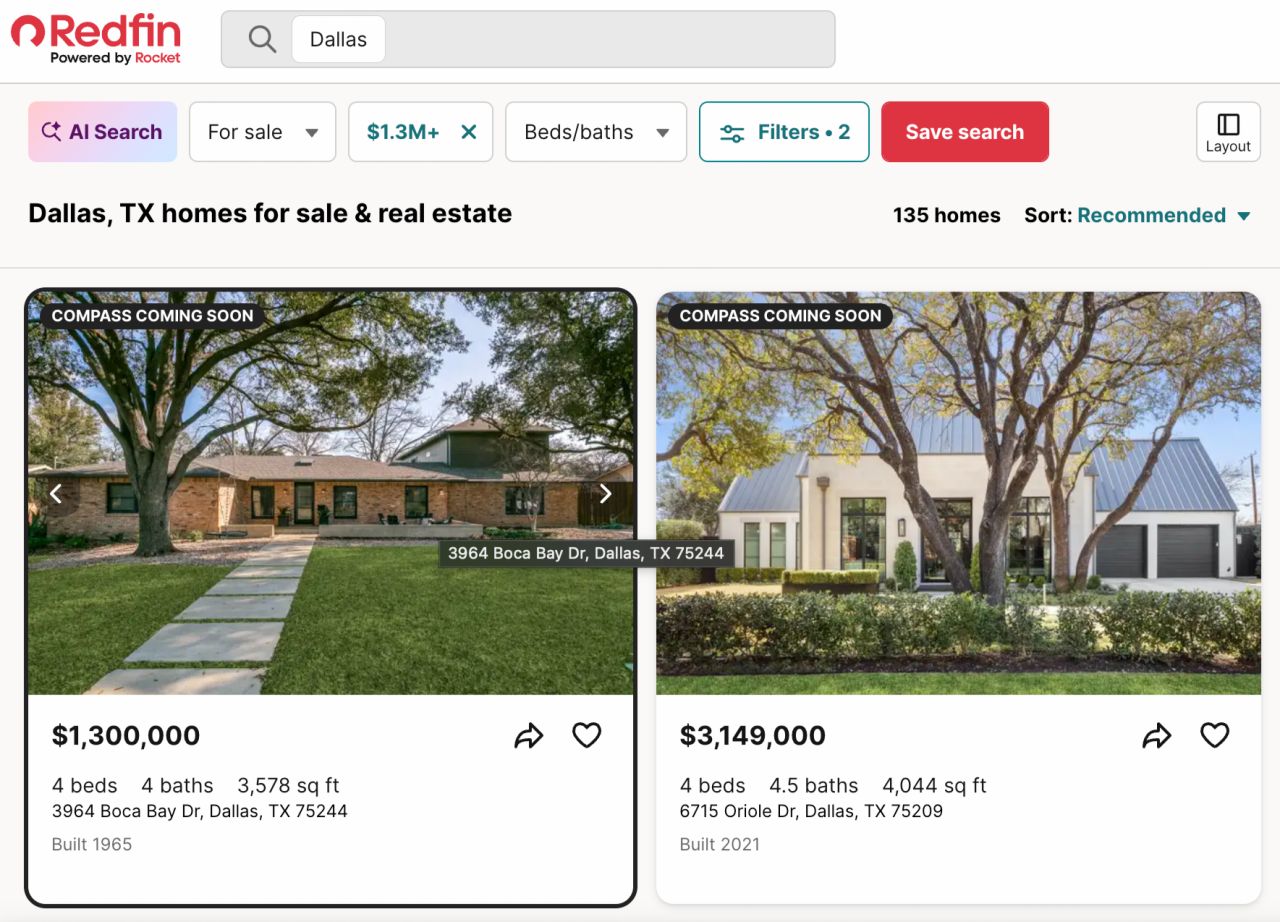
The more interesting question remains the control question. When a seller’s pre-market exposure runs through Zillow’s platform, Zillow captures the audience data, the lead activity, and the marketing signal. The seller gets exposure. Zillow gets intelligence. That’s a reasonable trade — if you know that’s the trade you’re making.
When pre-market exposure runs through a strategy your agent has designed for your specific situation, you control the signal. Your agent has a legal and ethical obligation to use it in your interest.
More seller choice is genuinely good. But choice without context isn’t really choice — it’s just noise.
A Note for Buyers
The answer to all of this isn’t to find more portals to browse. It’s to find an agent who understands how inventory actually moves — who has relationships with other agents, knows where pre-market listings live, and can get you in front of the right homes before they hit the MLS. The buyers who struggle in competitive markets are usually the ones who think Zillow shows them everything. It doesn’t. It shows them what Zillow has.
What This Means If You're Selling
The question to ask isn't which platform your home appears on first. It's who's making that decision, on what basis, and in whose interest.
If you're thinking about selling in the Plano market — or anywhere the timing and sequencing of your launch could meaningfully affect your outcome — I'm happy to walk through what a phased strategy would actually look like for your property. That's a conversation, not a pitch.