In our 2025 Plano Annual Market Report, we revealed that 29% of homes listed last year didn't sell. That's nearly one in three sellers who had to pull their listing, relist, or accept less than they hoped for. This is the fourth article, in my home-sellers series where I'm sharing an insider's perspective on what separates the homes that sell from the ones that sit — so more sellers can get it right in 2026.
If your home didn't sell in 2024 or 2025, you're not alone.
It happens to well-maintained homes in good neighborhoods with reasonable pricing. Sometimes the market shifts. Sometimes the strategy wasn't right. Sometimes it's just timing.
The good news? It's fixable.
But before you relist — with the same agent or a new one — it's worth stepping back and asking a few hard questions.
Question 1: Why Didn't It Sell?
This sounds obvious, but most sellers never get a clear answer.
If your listing expired or you cancelled it, you probably heard some version of:
- "The market softened."
- "Buyers are being cautious."
- "We just need to adjust the price."
Maybe. But that's not the whole story.
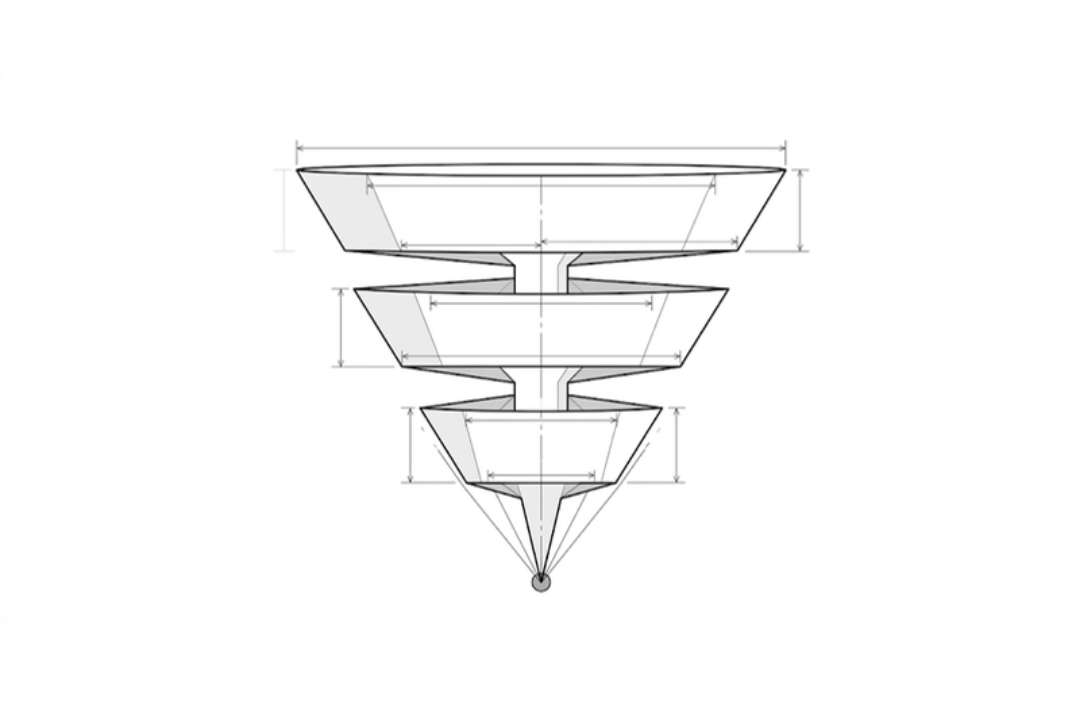
Here's a better framework for diagnosing what went wrong. In Plano's 2025 market, the median home went pending after 9 showings. That number is a useful benchmark:
Did you get showings?
- If no (or very few): Your online presentation — photos, price, description — didn't compel buyers to tour. The problem was visibility or perceived value.
- If yes, but no offers: Buyers toured but didn't connect. The problem was either in-person presentation or price relative to what they experienced.
If you got offers but they fell apart, that's a different issue — financing, inspection, appraisal, or negotiation strategy.
Understanding which stage broke down tells you what needs to change. I covered this framework in detail in Why Well-Priced Homes Still Don't Sell: The Sales Funnel Problem — it's worth a read before you relist.
"What To Do When Your House Isn't Selling" - a quick tactical breakdown of the same framework, if you prefer the short version first.
Question 2: Was the Home Truly Ready?
Be honest: was your home in the best possible condition when it hit the market?
Or did you:
- Skip repairs because "the buyer can handle it"
- Leave clutter because "we're still living here"
- Use iPhone photos because "good enough"
- Price aggressively because "we can always come down"
Most listings that don't sell weren't fully prepared. And the cost of going to market too soon — in time, money, and momentum — is far higher than the cost of preparing properly.
There's also something harder to quantify here. Buyers can sense when a home isn't ready — not just in the obvious ways, but in subtle signals that affect their emotional response before they can articulate why. I explored this in depth in The Unloved Home Problem, but the short version is: preparation isn't just about condition. It's about creating an environment that invites a buyer to imagine themselves there.
Question 3: Was the Pricing Strategy Sound?
"Pricing strategy" isn't just picking a number.
It's understanding what your home is competing against right now, what buyers at your price point expect in terms of features, whether your home justifies a premium or needs to be priced competitively, and how much flexibility you have if feedback suggests the price isn't working.
In 2025, 67% of Plano's cancelled and expired listings reduced their price at least once. That's not a market problem; it's a positioning problem. Those homes weren't "priced to sell" from the start. That's a pattern of reactive positioning: sellers who started high and let the market push them down over weeks or months, rather than arriving there on day one.
The cost of that approach is well-documented. Homes that required price reductions averaged 61 days on market and sold for a median of 92.4% of their original list price. Homes that didn't need reductions sold in a median of 9 days at 99.2% of list price. That is a massive difference — plus carrying costs. The full data is in the pricing strategy post if you want to dig deeper.
If your agent's approach was "let's list high and see what happens," that's not a strategy. That's hope.
Question 4: Did Your Agent Have a Plan — And Adjust When It Wasn't Working?
Here's what should have happened:
- Week 1–2: Strong showing activity. Agent monitoring feedback closely.
- Week 3–4: If no offers, agent discussing what's working and what's not. Adjustments to photos, description, or marketing under consideration.
- Week 5–8: Continued refinement. Pricing adjustments if needed. Clear communication about market conditions and competition.
Here's what often happens instead:
- Week 1–2: A few showings. Agent says "be patient."
- Week 3–8: Silence. Maybe a price drop. No clear strategy.
- Week 9+: "The market is tough. Let's drop the price again."
The 67% of cancelled and expired listings that reduced price at least once tells a story about process. Most of those reductions came weeks into the listing after momentum was already lost. A reduction at week six rarely produces the result a sharp price on day one would have produced.
One property from our 2025 data illustrates where this pattern leads when left uncorrected: originally listed at $849K, it was reduced 13 times to $716K — and then went under contract within 2 days of reaching the right price. Every home sells at a number eventually. The question is whether that happens in week one or month fourteen.
If your agent didn't have a process for diagnosing problems and adjusting course, that's a red flag.
What to Do Next
If you're thinking about relisting in 2026, here's what I'd recommend:
1. Get clear on what went wrong. Don't accept "the market" as a complete explanation. Understand specifically which stage of the process broke down — and why.
2. Decide if you're willing to do what it takes. Selling a home well requires preparation, flexibility, and honest conversations. If you're not ready to invest in that, it may be better to wait.
3. Choose the right agent — not just any agent. Look for someone who has a clear process (not just "I'll market it"), uses data to inform pricing and positioning, communicates regularly and adjusts strategy based on feedback, and is willing to tell you hard truths.
4. Be willing to adjust. The market you're entering in 2026 is different from the one you left. Be flexible. Be responsive. Be willing to pivot when the data says you should.
What a Better Process Looks Like
If we were to work together, here's what would be different:
Before we list: A full market analysis — not just comps, but active competition. An honest assessment of your home's readiness. A pricing and positioning strategy tailored to your home and timeline. And a conversation to make sure we're a good fit — I don't take every listing.
Once we're live: Regular communication, not just when there's a showing. Clear feedback loops — what buyers are saying, what the data shows. Strategic adjustments based on real-time market conditions. Honest conversations about what's working and what's not.
The goal isn't just to sell your home. It's to sell it well — at the right price, in the right timeframe, with clarity and confidence at every step.
Ready to approach 2026 differently? Let's start with a conversation.
This is part 4 of a 4-part series. Start with Part 1: The Sales Funnel Problem Most Agents Miss