In our 2025 Plano Annual Market Report, we revealed that 29% of homes listed last year didn't sell. That's nearly one in three sellers who had to pull their listing, relist, or accept less than they hoped for. Over the next few weeks, I'm sharing an insider's perspective on what separates the homes that sell from the ones that sit — so more sellers can get it right in 2026.
Most agents think of selling a home as a single event: list it, market it, wait for an offer.
But that's not how it actually works.
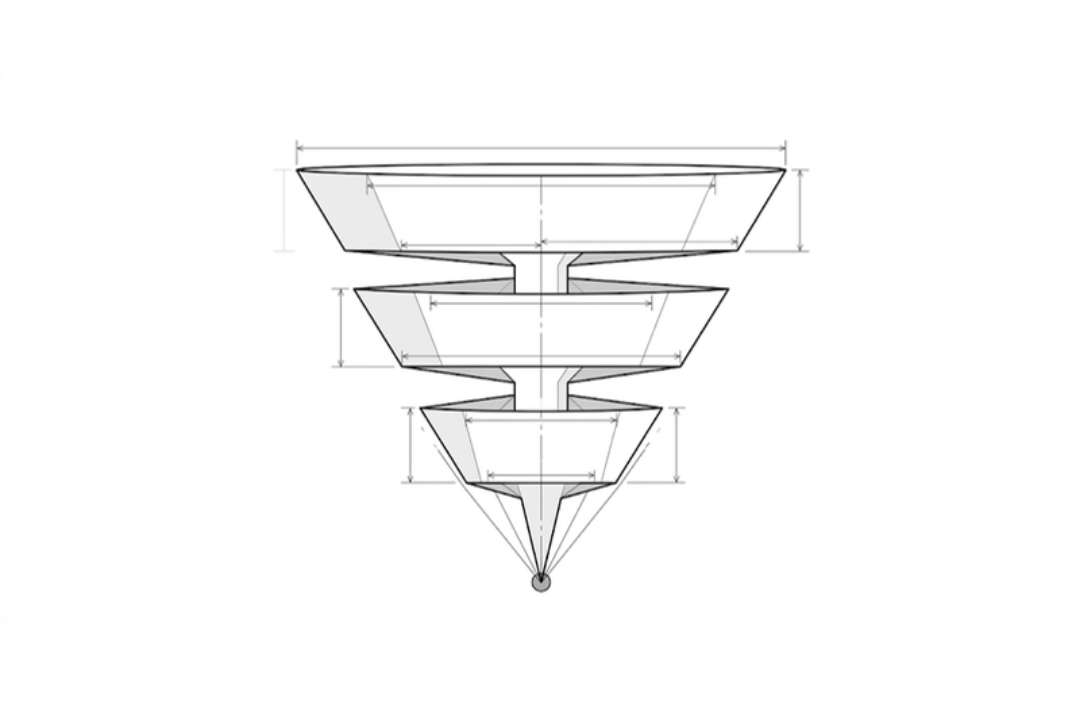
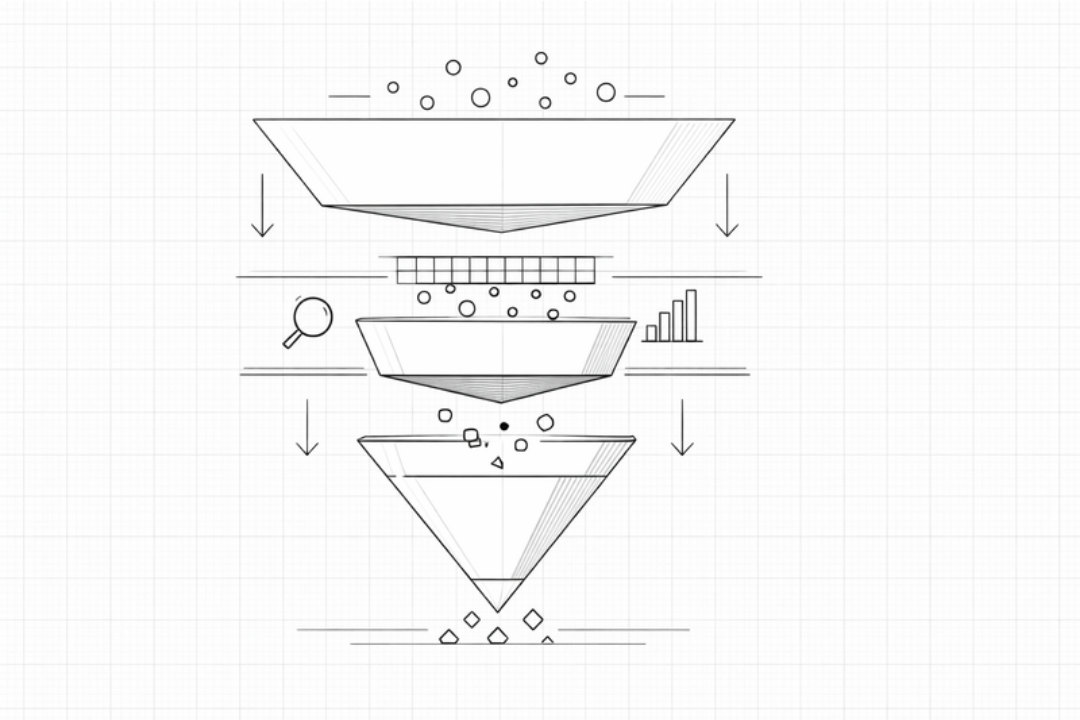
Selling a home—especially in the high-end and luxury price points in Plano—is a process with three distinct stages. Each stage has its own requirements, and if any one of them breaks down, the home doesn't sell. Understanding this helps explain why some well-priced, well-located homes still sit on the market for months.
Here's the framework I use with every client.
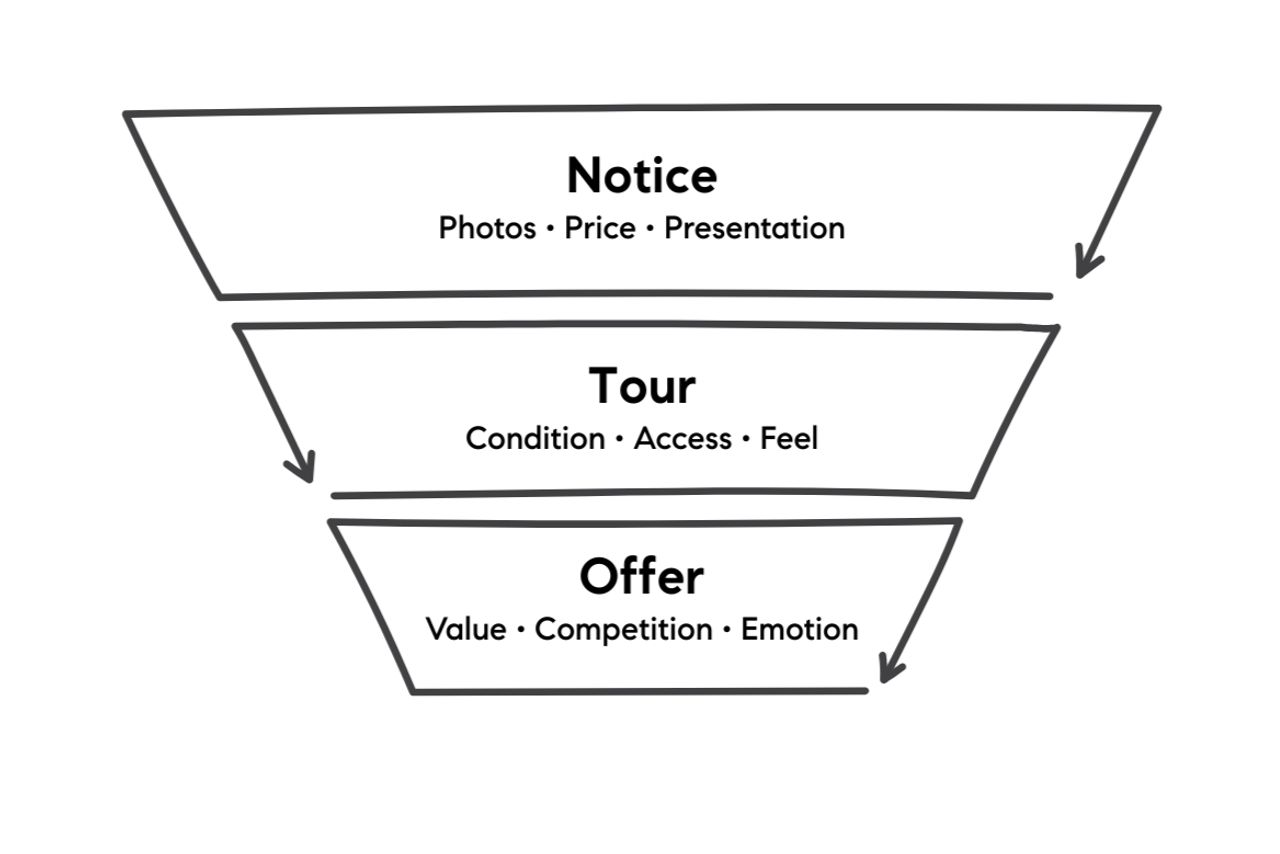
Stage 1: Getting Buyers to Notice Your Home Online
Before anyone tours your home, they have to find it online and decide it's worth their time.
At this price point, buyers have options. They're scrolling through dozens of listings, often across multiple neighborhoods and even cities. Your home has maybe three seconds to catch their attention.
What makes them stop?
• Photos that tell a story. Not just technically competent photos, but images that help a buyer imagine living there. Lifestyle, light, space.
• A price that feels aligned. If the price seems out of step with what they're seeing in comparable homes, they move on. They don't even tour.
• A presentation that signals care. Cluttered rooms, dark photos, or obvious deferred maintenance all send a message: "This house isn't ready."
If your listing is getting very few showings, this stage broke down. The online presentation didn't compel anyone to take the next step.
One way I track this: I calculate what I call "Fair Share of Showings" — the total number of showings happening in your price range and ZIP code, divided by the number of active listings. It's not perfect, but it tells us whether your home is getting more or less attention than the competition in real time.
If you're at 60% of fair share in the first two weeks, we know there's friction in the online presentation. Something about how the home appears online isn't compelling enough to drive showing requests.
Stage 2: Getting Buyers to Tour Your Home
Let's say the photos worked. Buyers are interested. Now they need to actually see it.
This stage is where friction often kills momentum:
• Difficult showing logistics. If it's hard to schedule a tour—narrow availability, complicated lockbox access, requiring 24-hour notice—some buyers will just skip it. At this price point, buyers expect convenience.
• A home that doesn't match expectations. If the photos made the home look larger, brighter, or better-maintained than it actually is, the buyer feels deceived. They leave disappointed.
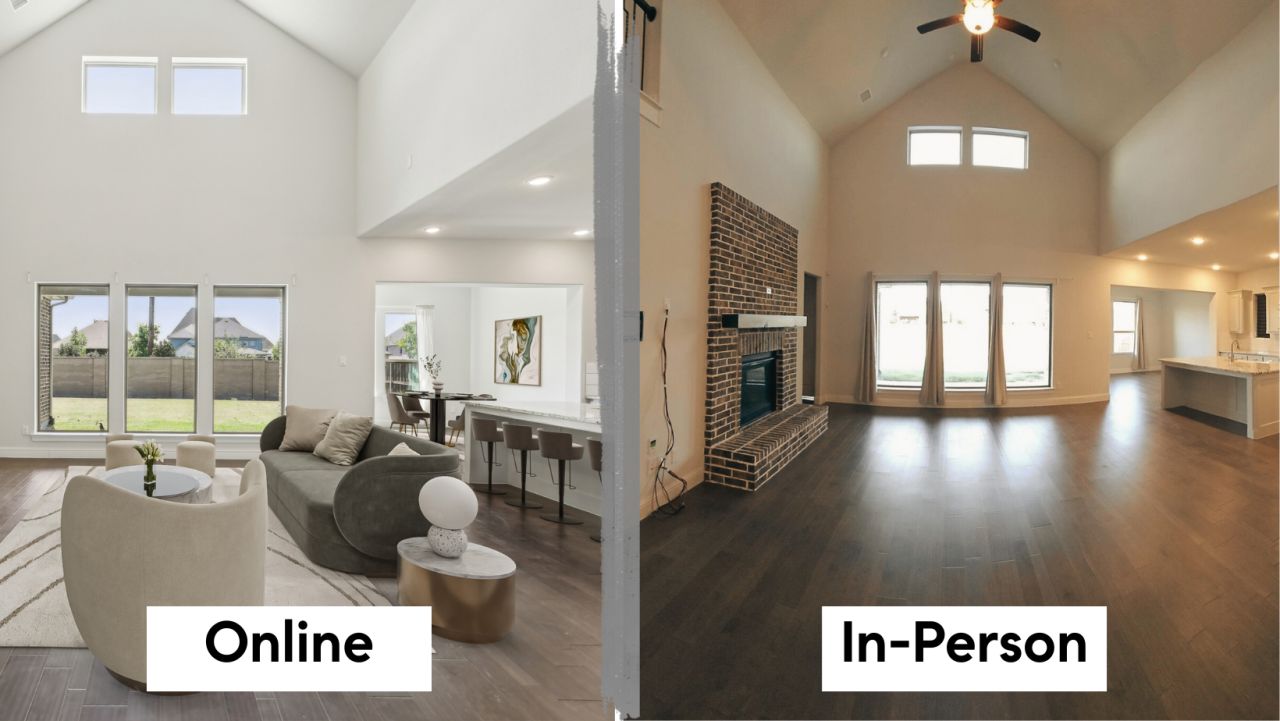
• A home that doesn't feel welcoming. This is harder to quantify, but buyers can sense when a house feels "unloved." Blinds closed, air stale, clutter everywhere. It affects their emotional response, even if they can't articulate why.
If your listing is getting showings but no offers, this stage likely broke down. Buyers toured it, but they didn't connect.
Stage 3: Getting Buyers to Make an Offer
This is where price and positioning converge.
A buyer has toured your home. They like it. Now they're asking themselves: Is this worth what they're asking?
If the answer feels like "yes" or even "maybe," they make an offer. If it feels like "no," they move on to the next house.
What determines that answer?
• How your home compares to everything else they've seen. At this price point, buyers are often looking at homes across Plano, Frisco, and even parts of North Dallas. Your home isn't just competing with your immediate neighborhood—it's competing with every other option in their budget.
• Whether the price feels justified. If the home feels overpriced by $50K or $100K, buyers won't make a lowball offer. They'll just find something else.
• Whether they can see themselves living there. This is emotional, not logical. But it matters.
If your listing is getting multiple showings but no offers, this stage broke down. Buyers saw value in touring, but they didn't see enough value to commit.
What This Means for Sellers
Most agents treat "the listing isn't selling" as a pricing problem. And sometimes it is.
But often, it's a process problem. One of these three stages failed, and the agent either didn't notice or didn't know how to fix it.
The good news? Each stage is fixable.
Better photos. Clearer positioning. Easier showing access. Strategic price adjustments based on feedback. Small changes in how a home is presented or priced can move a listing from "sitting" to "sold."
The key is diagnosing which stage broke down—and addressing it directly.
Thinking about making a move in 2026?
The best thing you can do is work with an agent who understands this process and is willing to take the time to get each stage right before your home goes live. Because once it's on the market, days on market start counting. And every day it sits, it gets a little harder to sell. Want to talk through your approach?